A review of 2025
2025 was a mild year but a dry one, which meant that we spent less time mowing than we often do, though at the top of the site our Rhododendrons and Azaleas needed irrigating over the summer. This is a time-consuming task when done manually, with much dragging of hosepipes, and we are contemplating automatic drip irrigation like we already have around the house. The climate has changed, whether for natural reasons or not, and only our top pond remained full at the end of the summer (they are brimming again now).
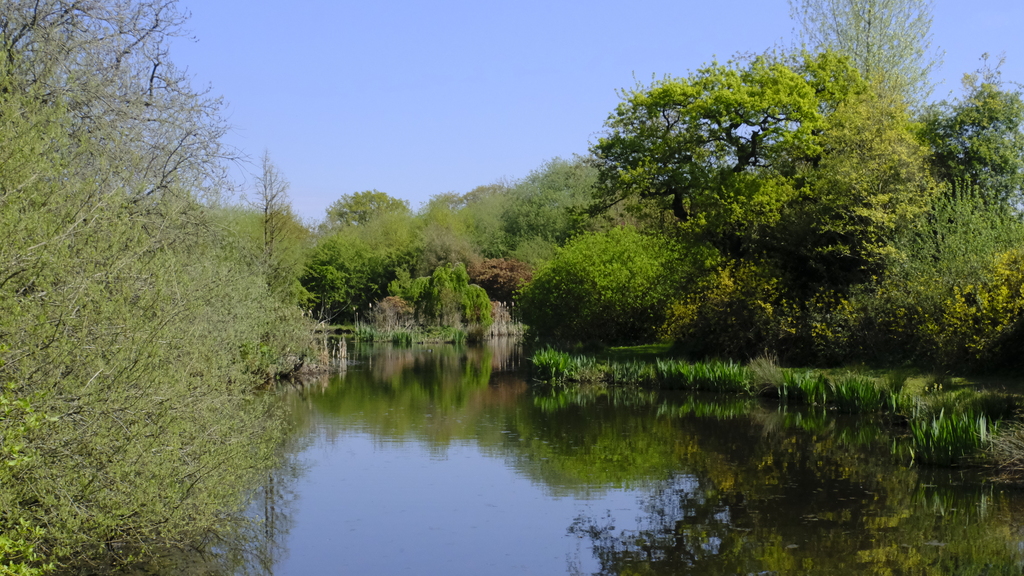
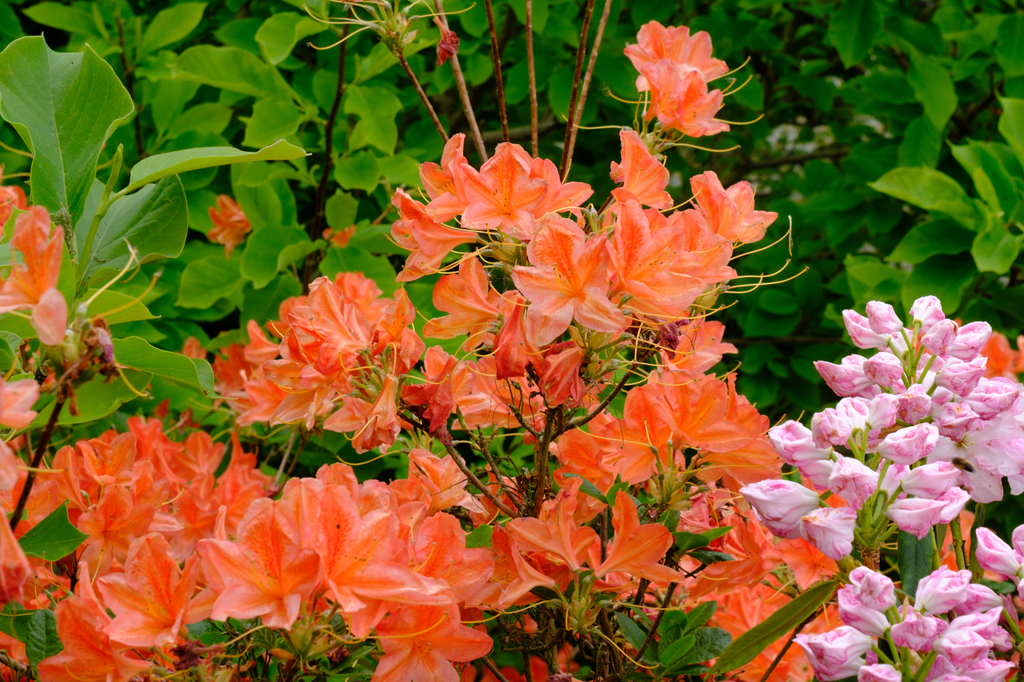
The stand-out features this year were the absence of late frosts, making for an excellent display of magnolias in flower, and the warm weather in August and September which produced strong autumn colour.
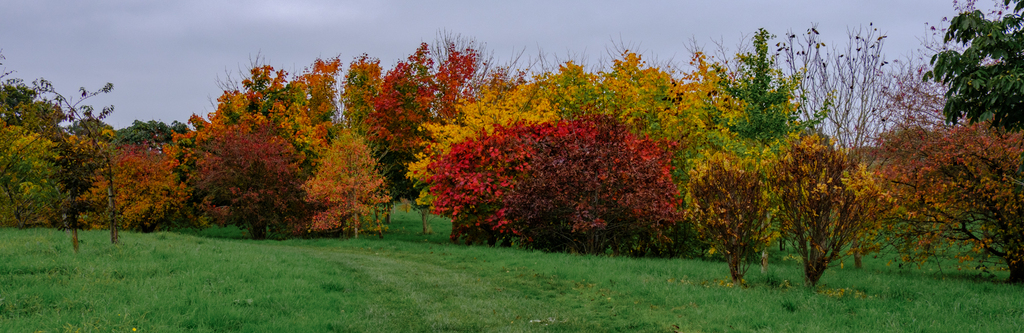
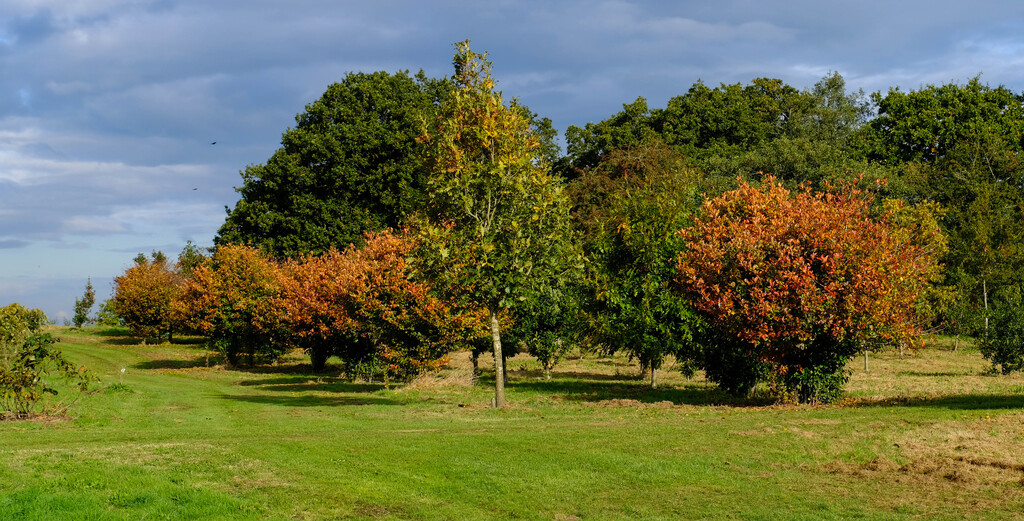
Even at the start of December there was still foliage on some of the oaks and liquidambars. Their seasonal variability is part of their charm. The interaction between sap-soluble anthocyanins and the plastid pigments present in leaves produces unpredictable and often wonderful results. We have planted liquidambars in the lower part of the site, mainly sourced from Holland and Belgium, and originally bred in the United States. Some varieties are widely available in the UK, though many are not. This also applies to our American oaks which came from Dirk Benoit in Belgium. They are settling in and gave vivid, glossy colour from September through to December.
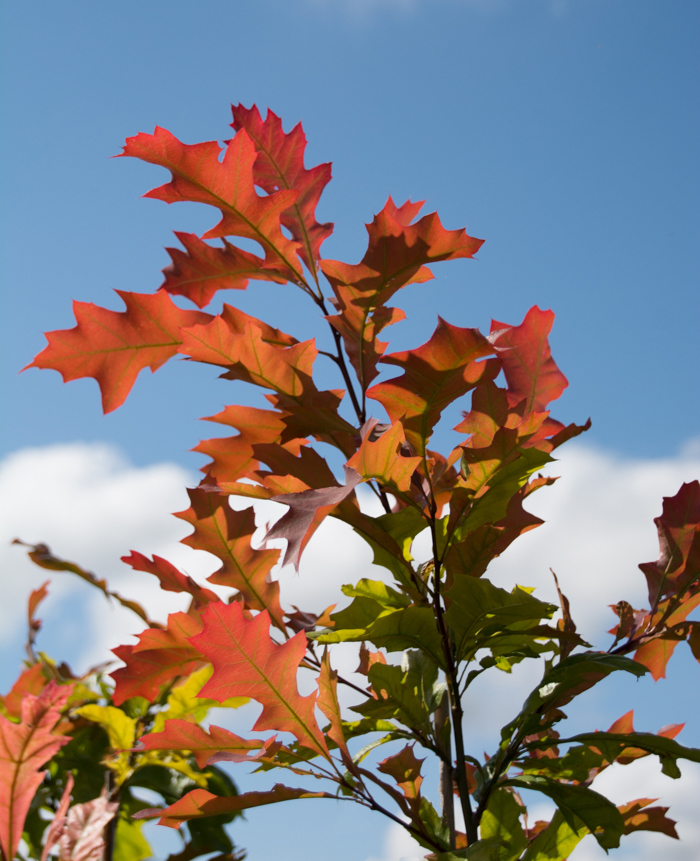
Oaks need space, which we are able to give them, though they cope well with hard pruning and are tolerant of heavy land, so these ornamental varieties are worth considering for many gardens. Unlike the more brittle liquidambars which suffered wind damage in the spring, oaks are robust and make a good focal point in exposed positions.
We aspire to show planting that works well in different situations. Photinia villosa maximowicziana gave lovely, bright orange colour which is very unlike the more familiar red forms. The Nyssa were not as successful, but they are moisture lovers and this wasn’t their year. By planting them together we aim to have a good display for our autumn open days, whatever the conditions.
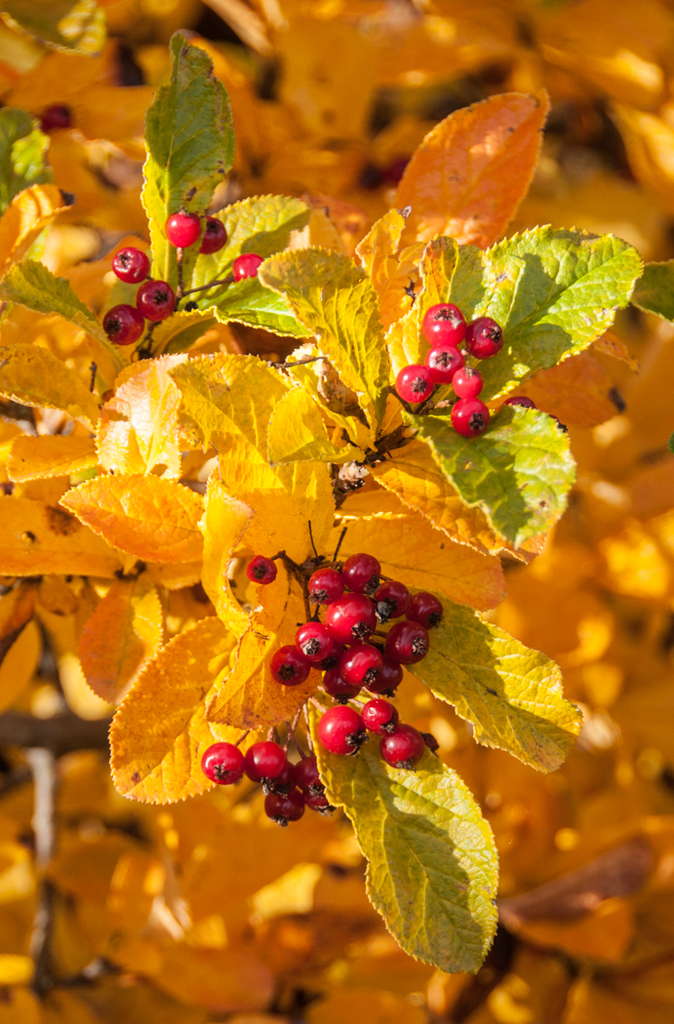
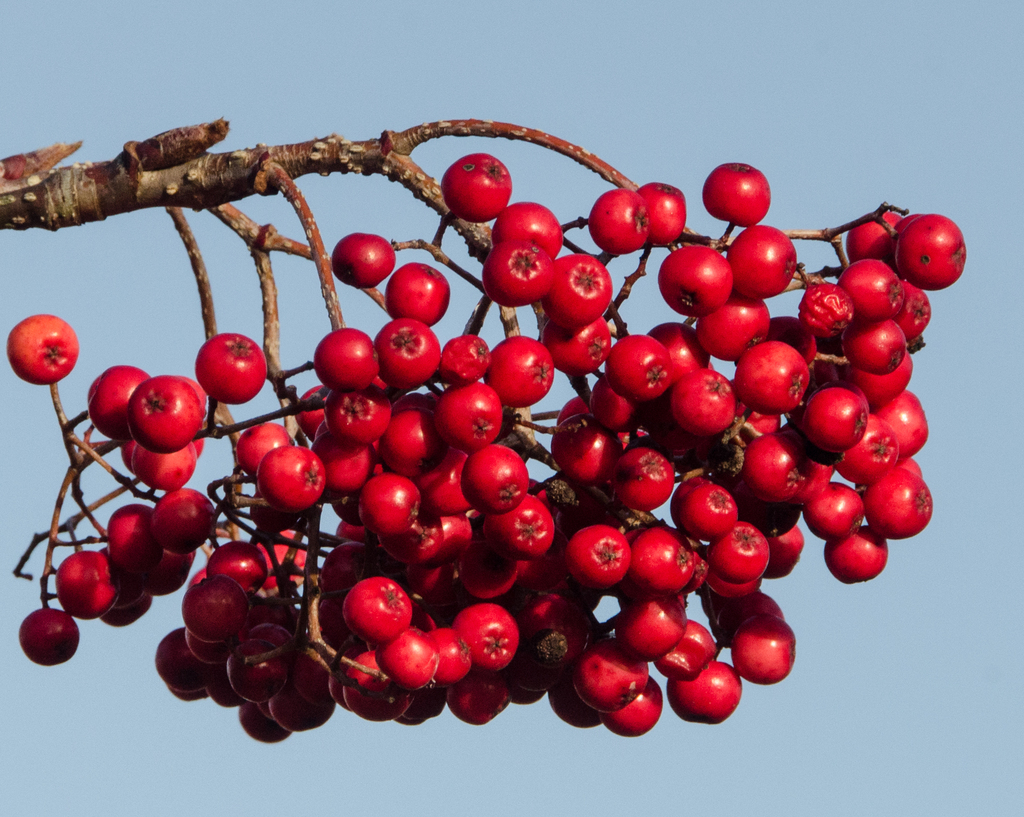
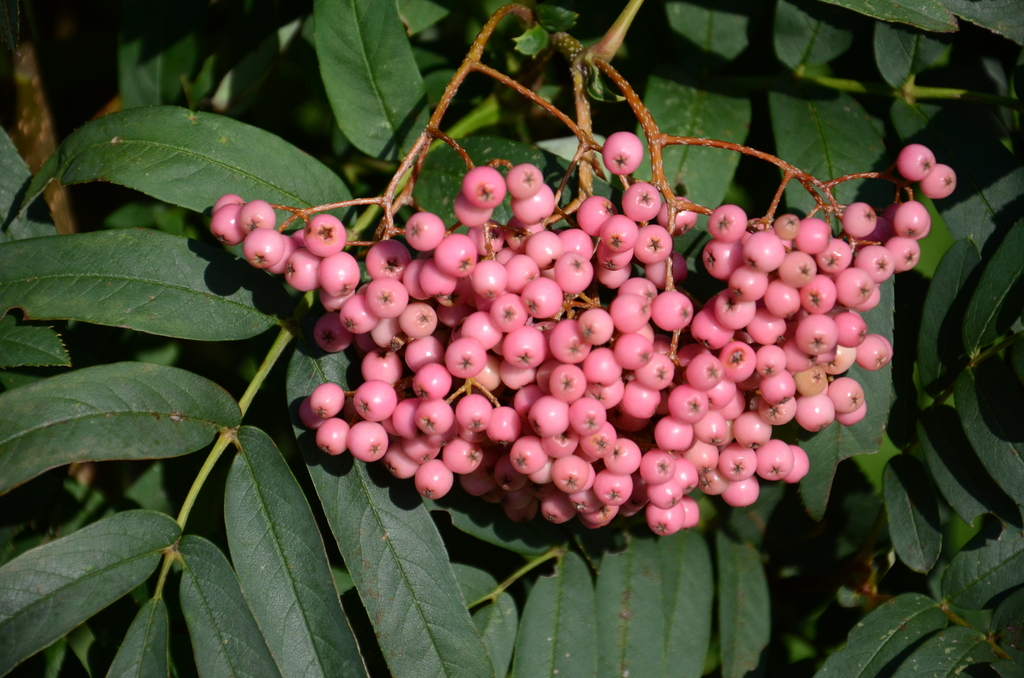
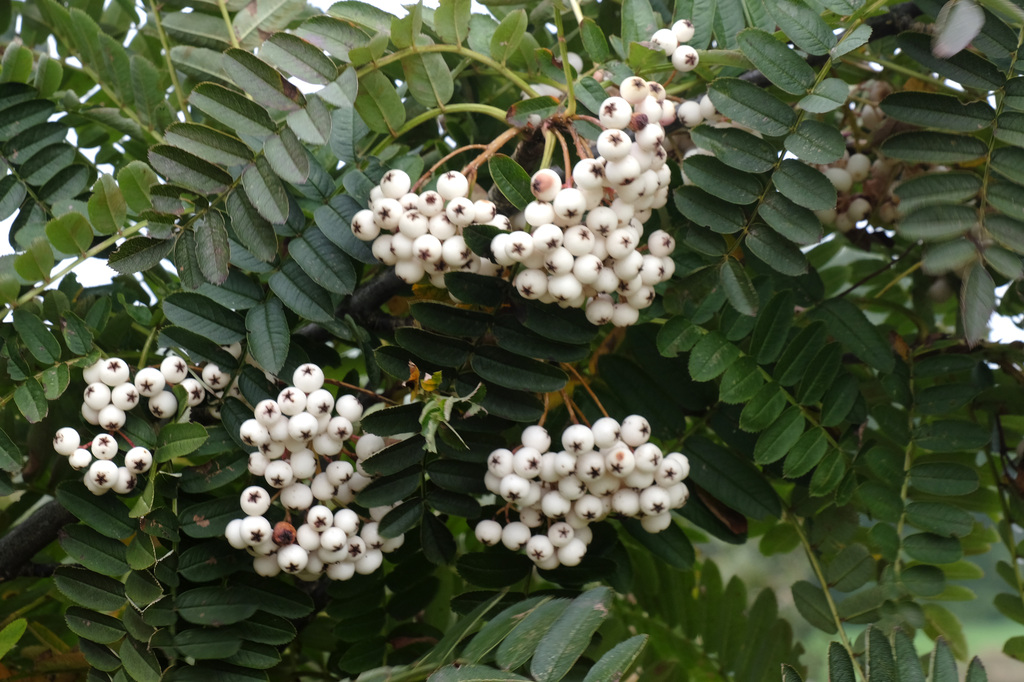
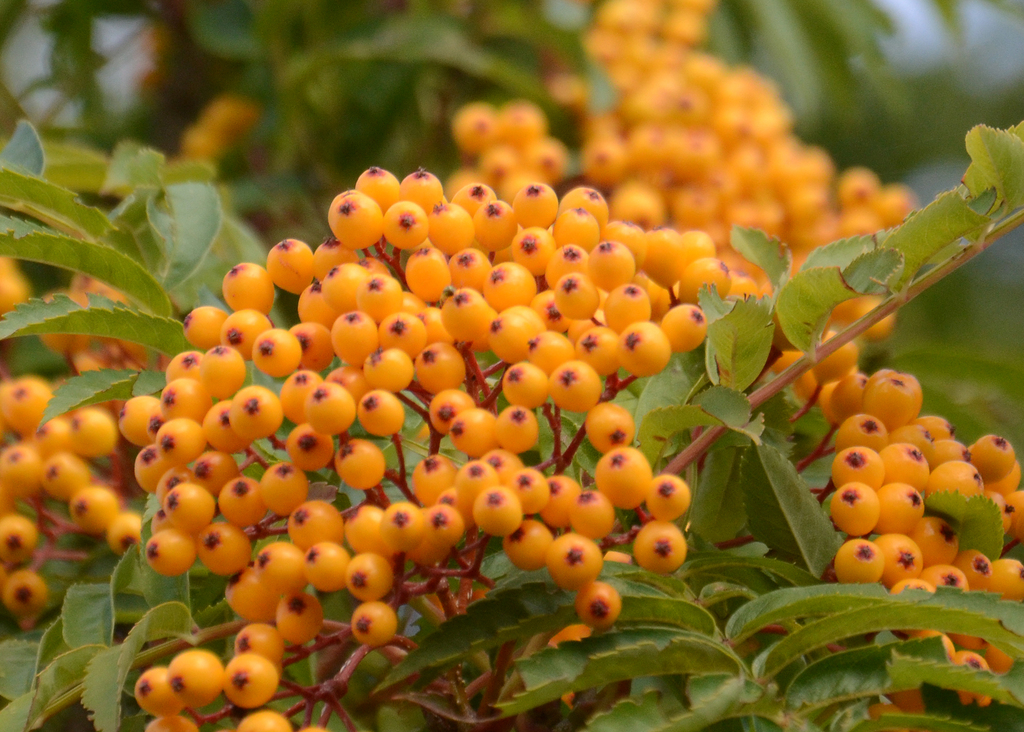
Like everyone else we have had an excellent year for berries. There is a myth that they thrive in anticipation of a hard winter, though in reality the buds form in the previous season and there must be another explanation for this year’s abundance. We have realised that Sorbus love moisture, and while they are not swamp lovers, they do well on land where the water table is high. This applies to the lower part of our site, less so on banks higher up where the ground is lighter. Berries get eaten by migratory birds, and we have noticed that the red ones tend to go first, then white, with yellow and orange usually the last to go. Sorbus Amber Spire is still laden with orange berries east of the main pond and has a compact, upright habit that stands out well against crab trees and hawthorns behind it.
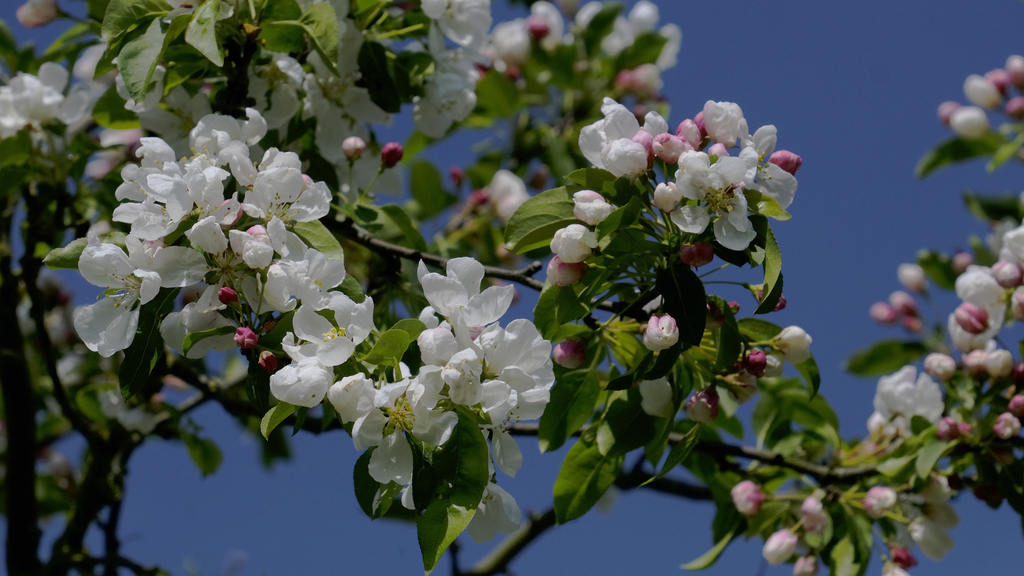
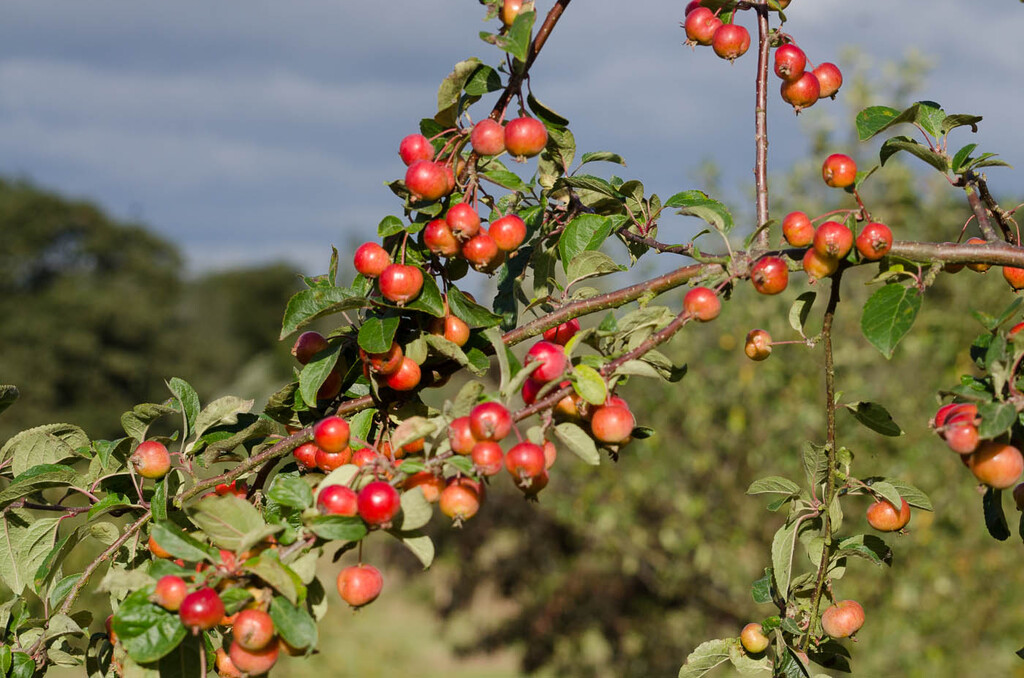
Malus thrived in what has justifiably been described as a mast year. Less popular than cherries, they are still widely available in the retail trade and visitors can find a selection at Bridgemere Garden Centre next door. We have planted an avenue of different forms leading down from the left of the main pond, and another selection on the far bank looking down over Bridgemere. Only now that they are getting to a decent size can their contrasting colours be appreciated, and the length of time that the apples stay on the tree; you shall know them by their fruits. We aim to grow only forms that are resistant to apple scab and have consequently avoided the Lemoini hybrids which are prone to it.
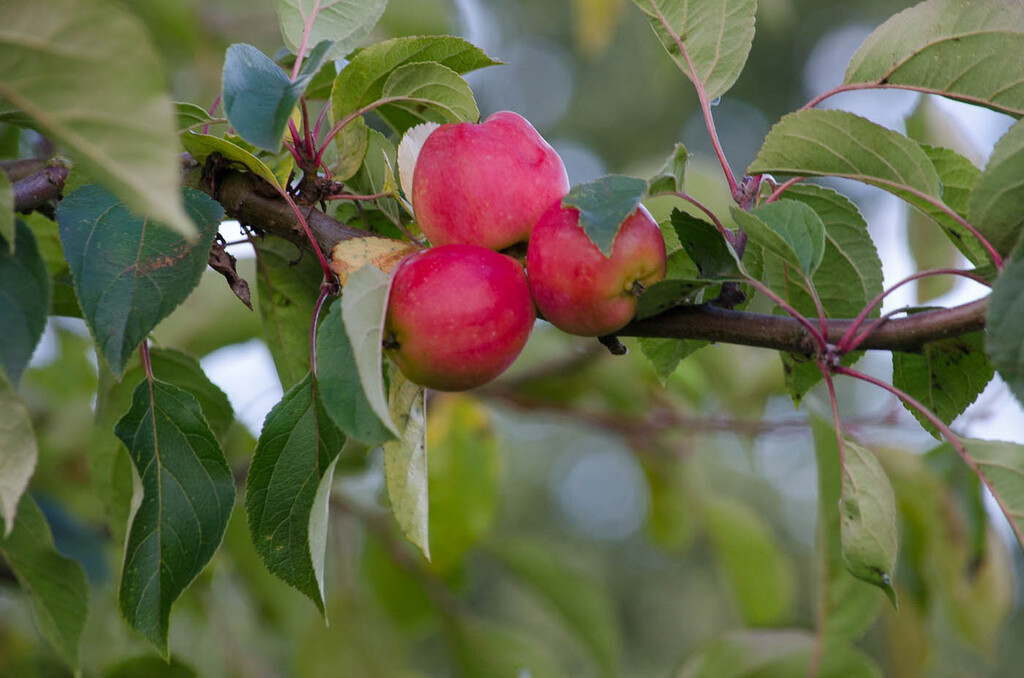
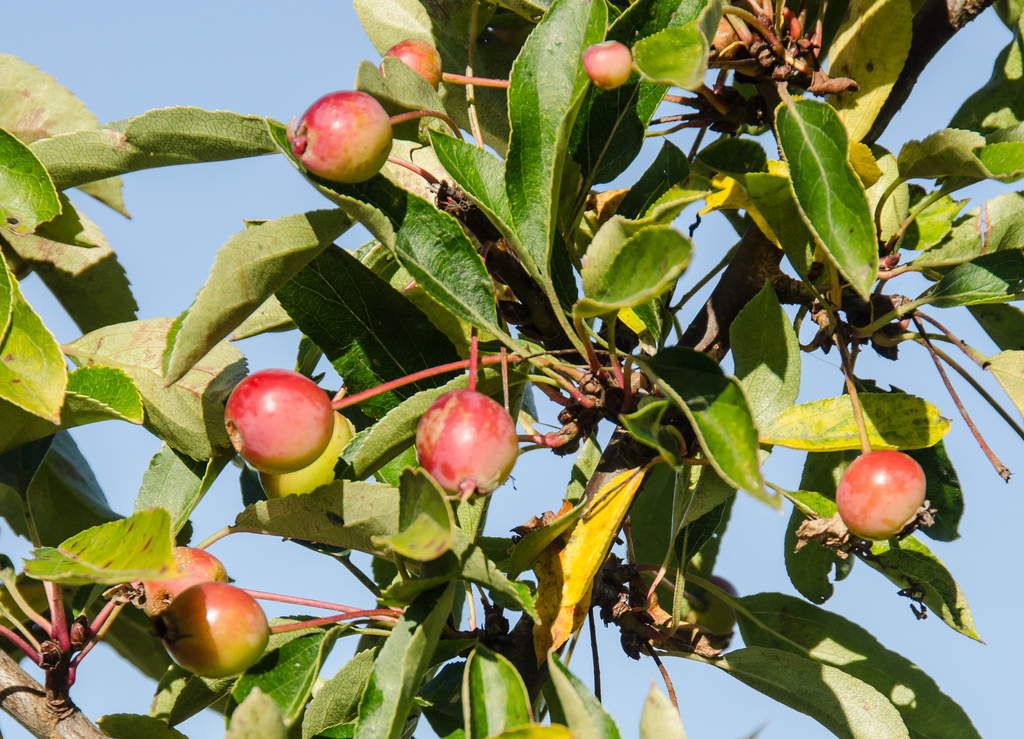
Comtesse de Paris has been a highlight on the lower bank this year, with a vigorous habit and small, bright golden fruit with excellent staying power. Evereste makes a good companion for it with long-lasting orange / red fruit and a similar upright habit, as does Crittendon with its small, bright red fruit. These trees need space but do not have the spindly appearance of some varieties. All crabs look at home in British landscapes and add colour and interest without looking too ornamental, especially where they catch low winter sunlight. The red Adirondack is more compact and a good choice for smaller spaces, as is Rosehip with large, deep red fruit lasting well into December.
It was an early spring and both magnolias and cherries were in bloom for our first open day in April. The ground was also nice and firm, making for our most successful day yet, with over £3,000 raised for the National Gardens Scheme and the Shropshire Youth Association. Blustery conditions didn’t show the Rhododendrons and Azaleas to their best advantage at our second Spring open day, but they are getting established and improve each year. One day they might find a congenial home in the many old marl pits on the site, which as yet remain overgrown and a haven for wildlife.
Deciduous azaleas have a long history of breeding in Europe which probably started with species collected in the South-Eastern United States as far back as the Eighteenth Century. Frederic Street’s definitive book The Azalea recounts how Huguenot emigrees settled as plant breeders in Ghent and did much to establish the early popularity of the species. Later Azalea Molle was introduced from Japan and possibly China, leading to the hot-coloured Sinensis crosses which were to prove successful for the Dutch nursery industry. They are technically Rhododendrons, and further crossing with R. Occidentalis gave thicker petals, more vigour and substance. In this country they were bred by the Waterer family at Knaphill, resulting in the varieties of that name, and by Lionel de Rothschild at the Exbury Estate, the source of another eponymous and now dominant line of hybrids.
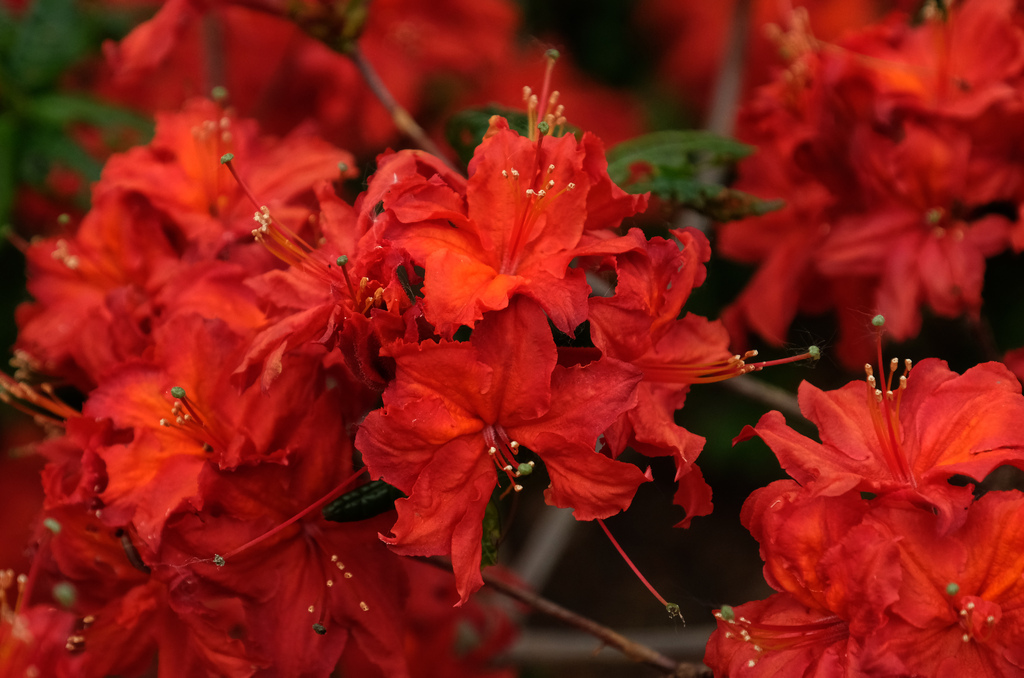
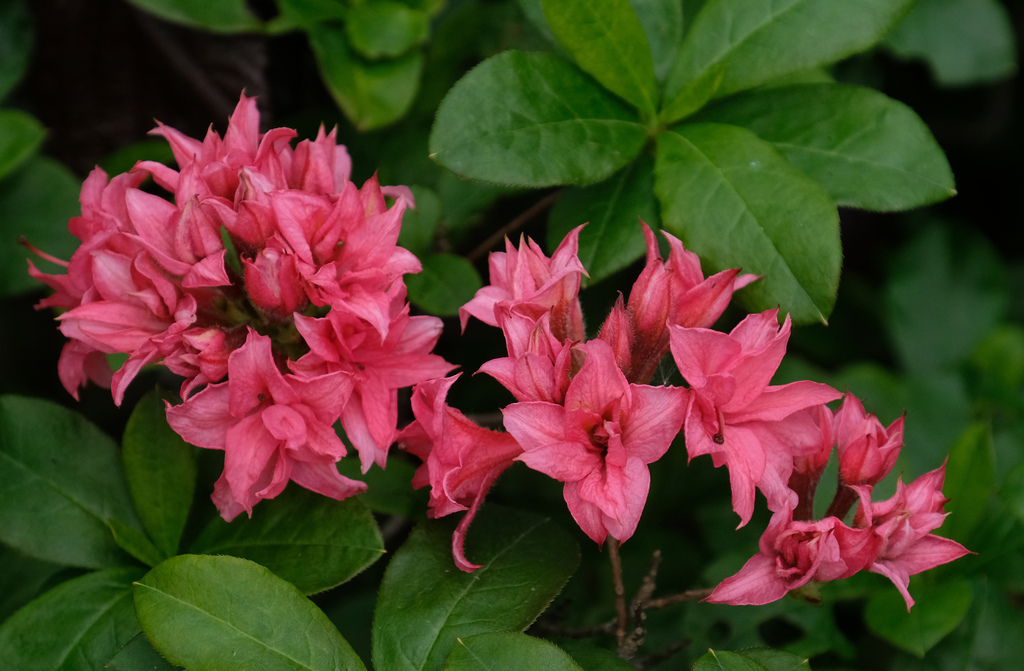
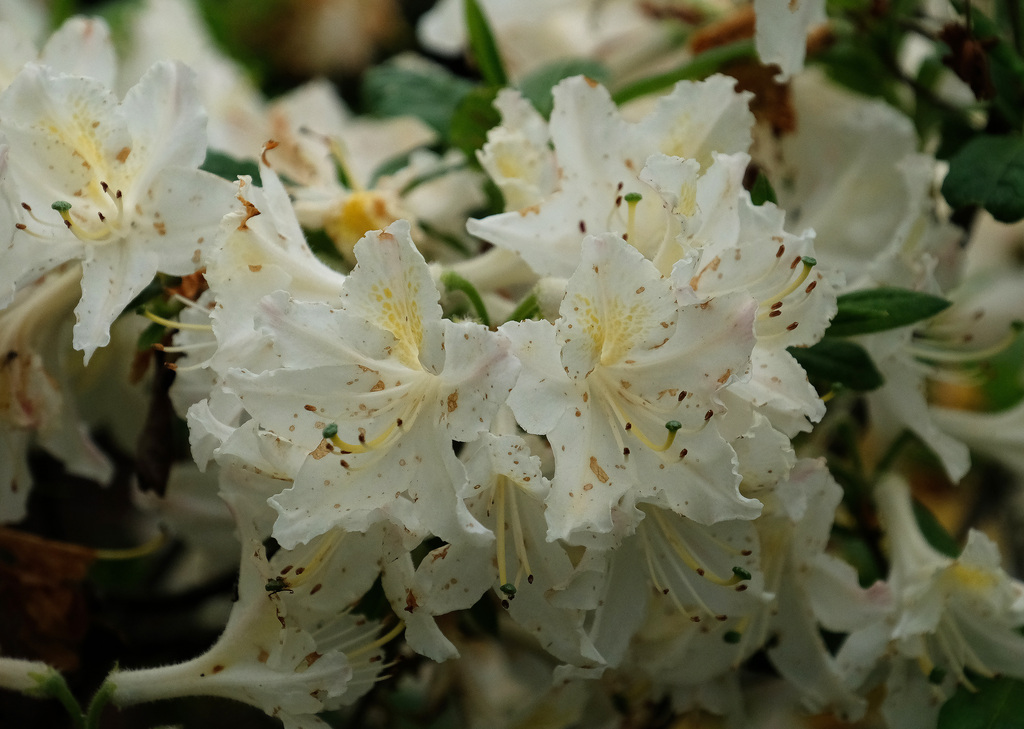
We have a selection of all of them, giving us successional colour from April to June. The story of Azalea breeding continues, with Ted Millais and his son David producing varieties that extend the flowering season well into July, many of which also have wonderful scents. There are some examples in the Three Pits, a shady spot in the lower part of the arboretum. The beauty of Azaleas is that even in a difficult year when they look stressed by drought, if a terminal bud is produced they perform well in the following season. We hope that 2026 will be a case in point.
For many years the production of deciduous Azaleas was centred on Boskoop in Holland, but as it took 3-4 years to produce a saleable plant, they didn’t fit into modern, intensive production methods which favour quick turnover crops. As a result they are difficult to obtain now, though they can still be sourced from growers in Brittainy with its favourable climate, or from Northern Germany where Schroder still grow at scale and sell into the UK trade.
As a coda to this engrossing subject, there was a gifted amateur breeder in the Wirral, Denny Pratt, who saved seedlings at the end of the last century and the early years of this one, with the aim of further extending the flowering season. He retired to Surrey where he lived a life of frugal dedication to his craft, and we were lucky enough to assemble quite a collection of his varieties. They can now be seen at Hodnet Hall Gardens some eight miles further south, where they occupy an ideal spot in the part shade that they love, beneath beech trees behind the tea rooms. Our site was too exposed, and we thought they deserved a more comfortable life with our neighbours.
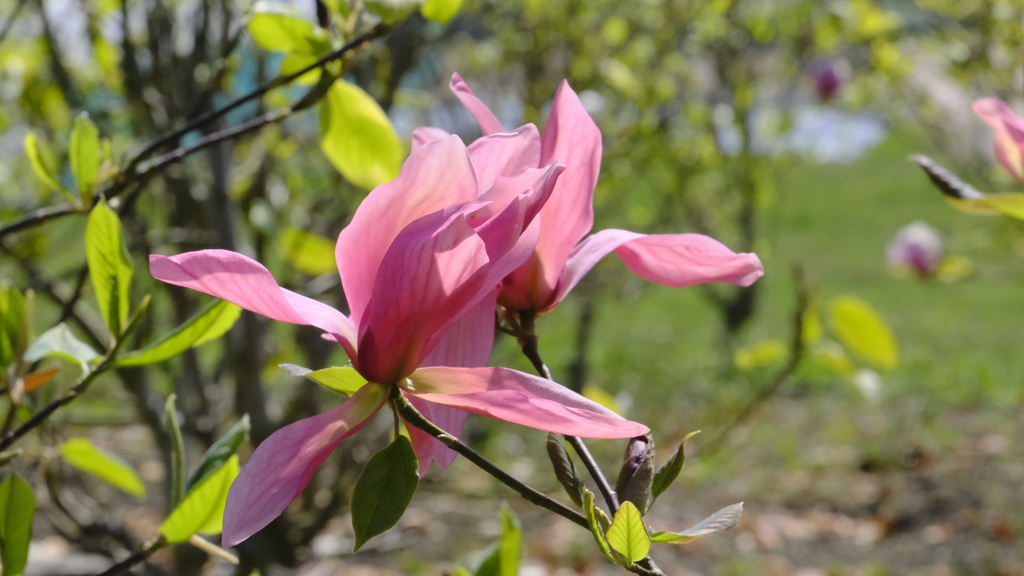
We have 200 or more varieties of both cherries and magnolias, the highlight of the arboretum in April and May. Magnolias interbreed readily and the result is a profusion of named varieties, many hard to tell apart, from which we have tried to select the best. We look for clear colours: white, salmon pink, and vine red verging on purple. We don’t have many Soulangeana forms which combine colours and are very spreading in habit. In the early years we propagated the Picard hybrids with their characteristic candy stripe, but found the results variable. Almost all of our trees are our own grafts on Kobus rootstock, which we have found best for our heavy land. Kobus also copes better than most with alkaline conditions, and is something to look out for when choosing young trees.
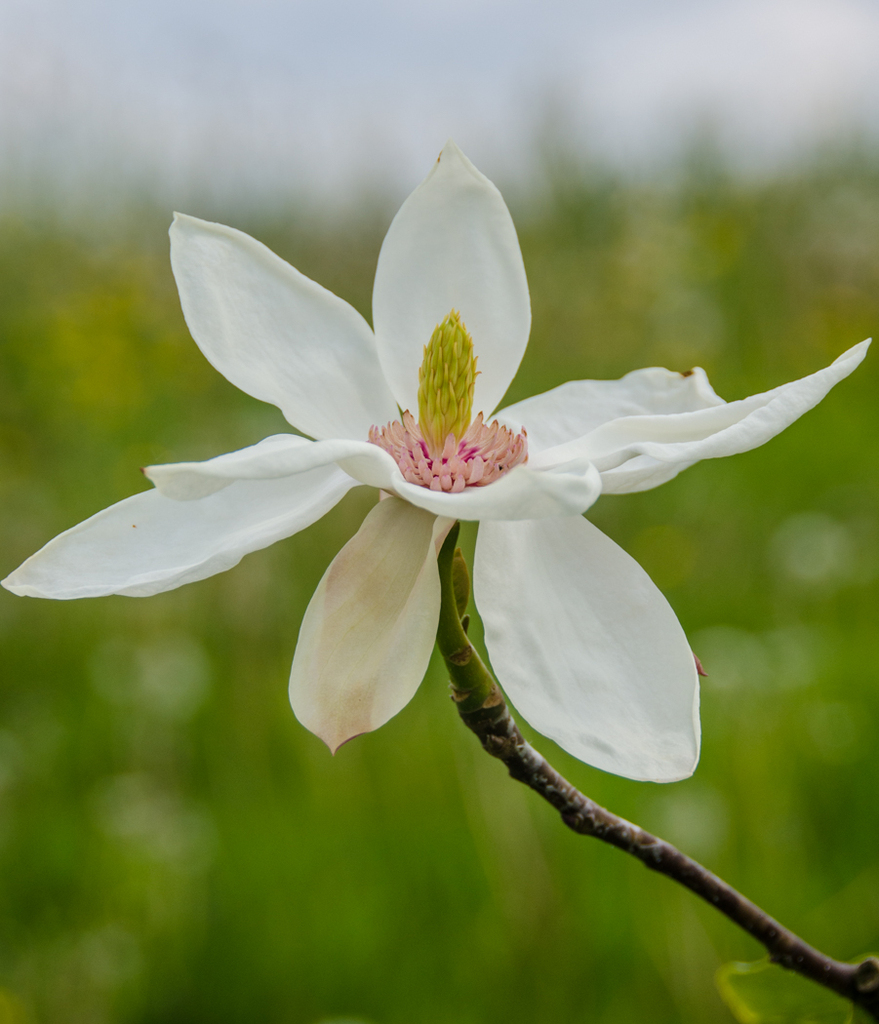
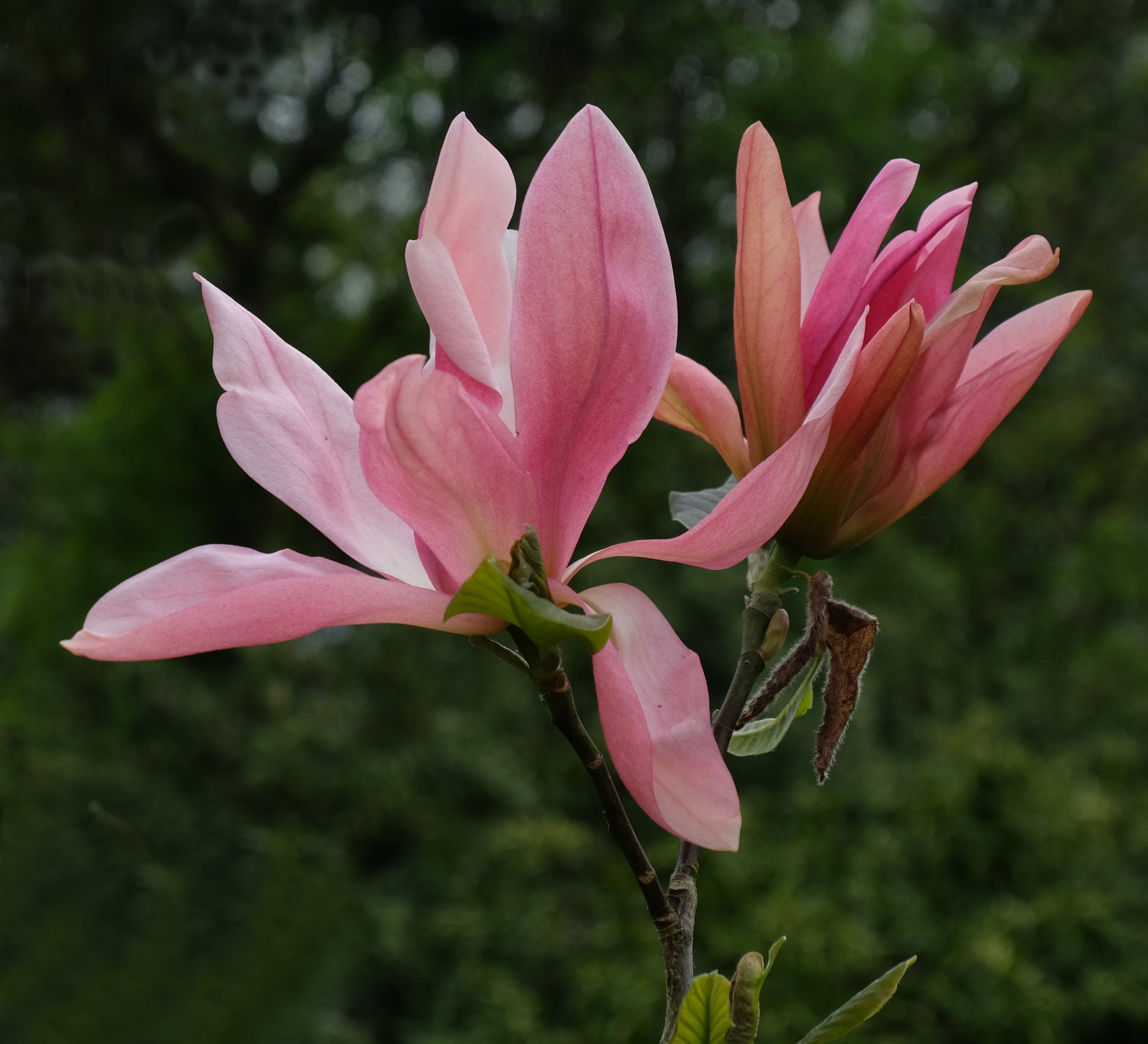
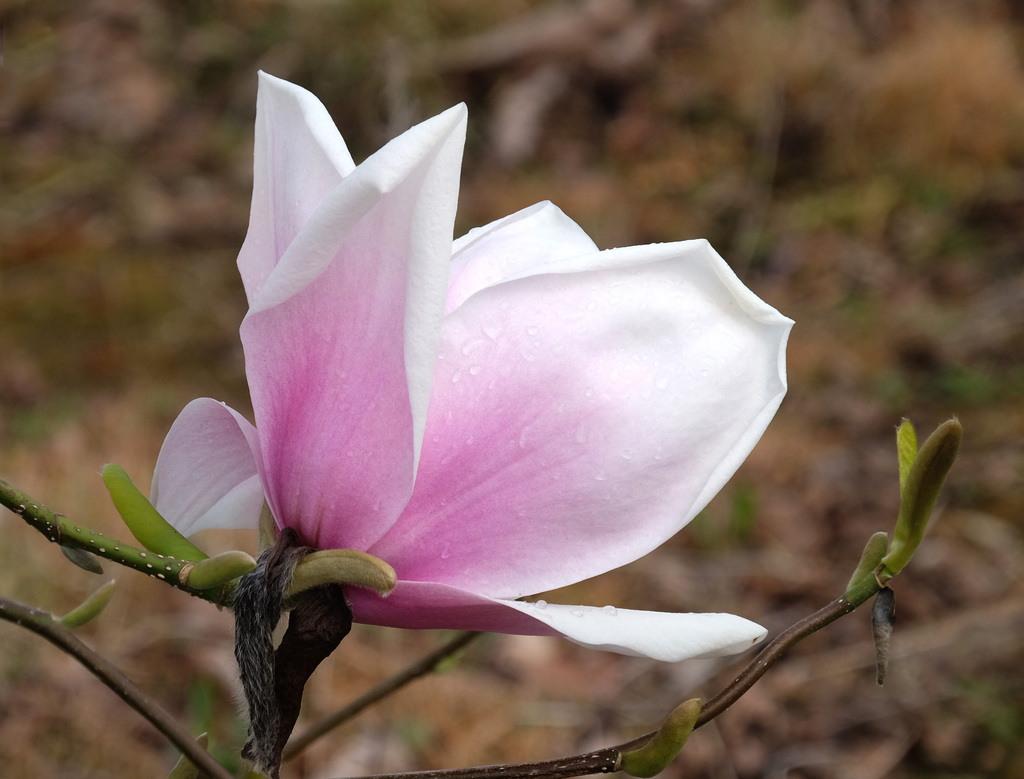
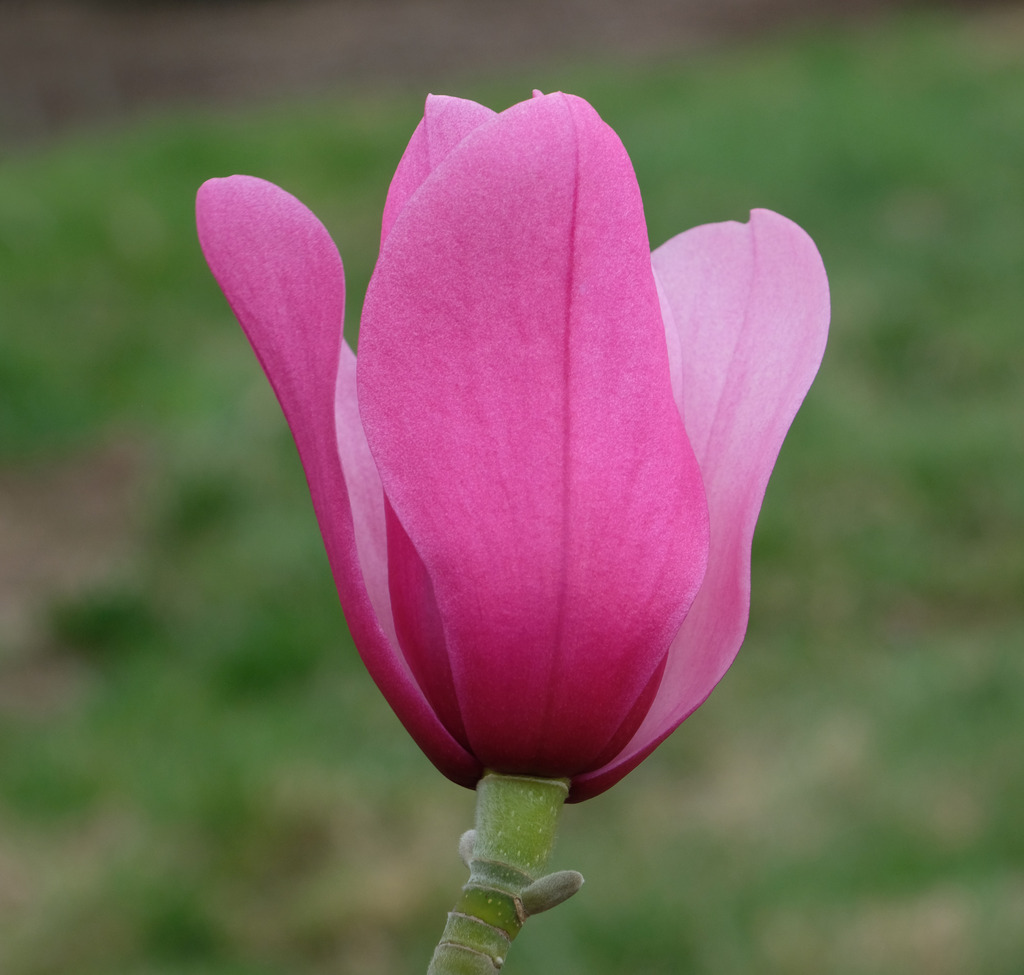
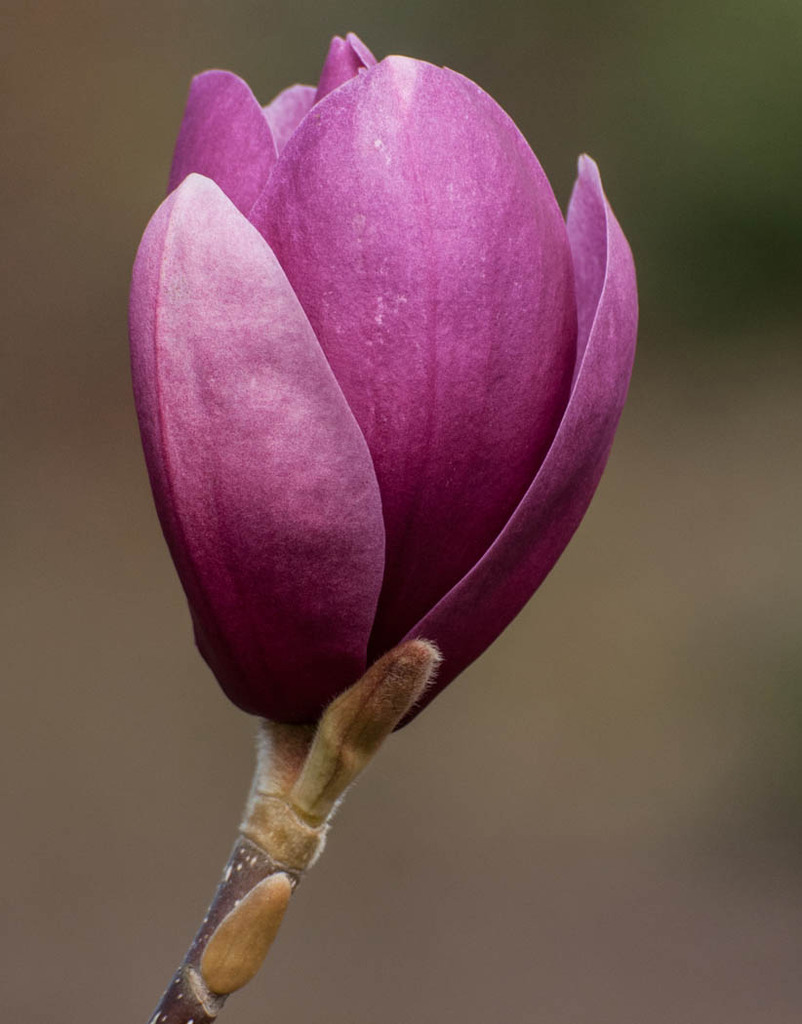
Magnolia introductions from America and New Zealand showed why they have become popular, with sharp pinks and tidy habits from varieties like Galaxy and Star Wars. The quality of flowering was generally good in the favourable conditions that we had, though as ever some things did better than others. The dark purple Vulcan was not as intense as in previous years, with the similar coloured but more globe-shaped Shirazz taking the honours. Likewise our favourite white, Joli Pompom, had a quiet year, as did Sunset Swirl. This is an exception to our preference for single colours, with unusual apricot and red flowers which showed well by the main pond last year.
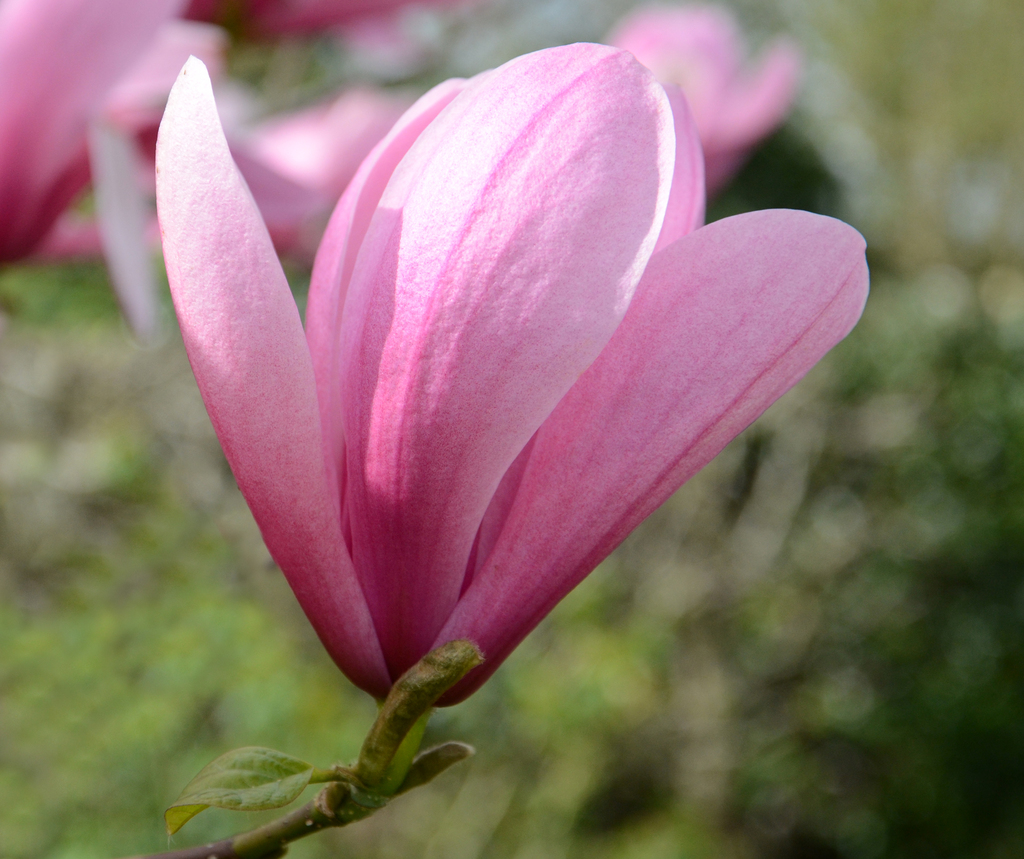
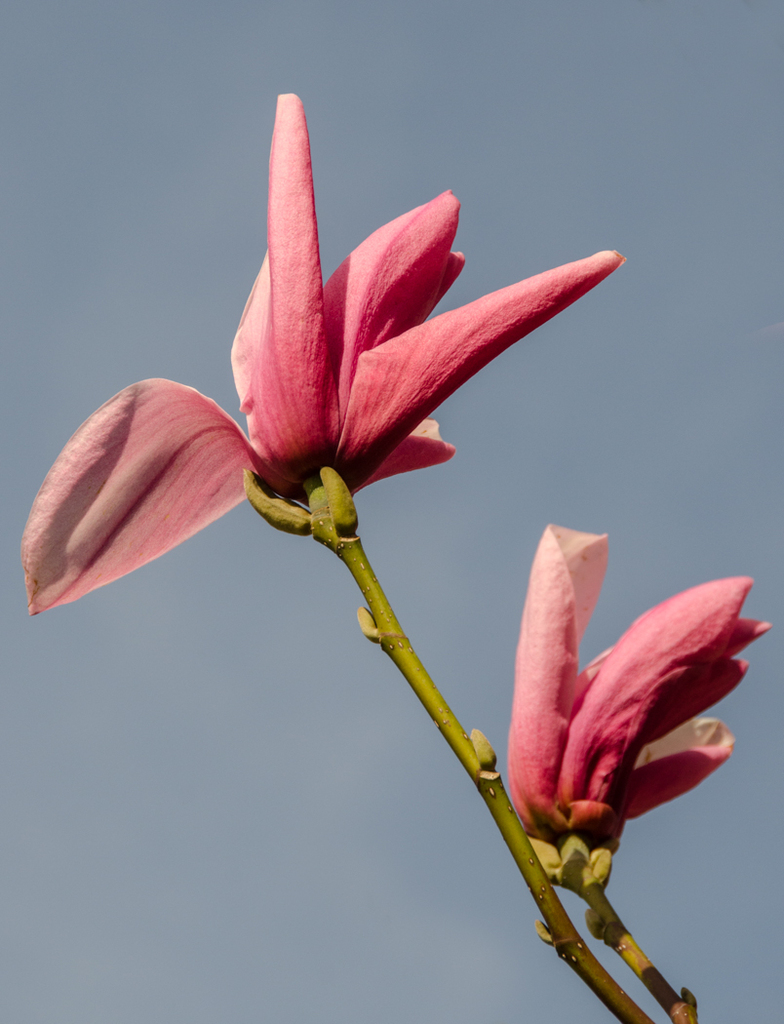
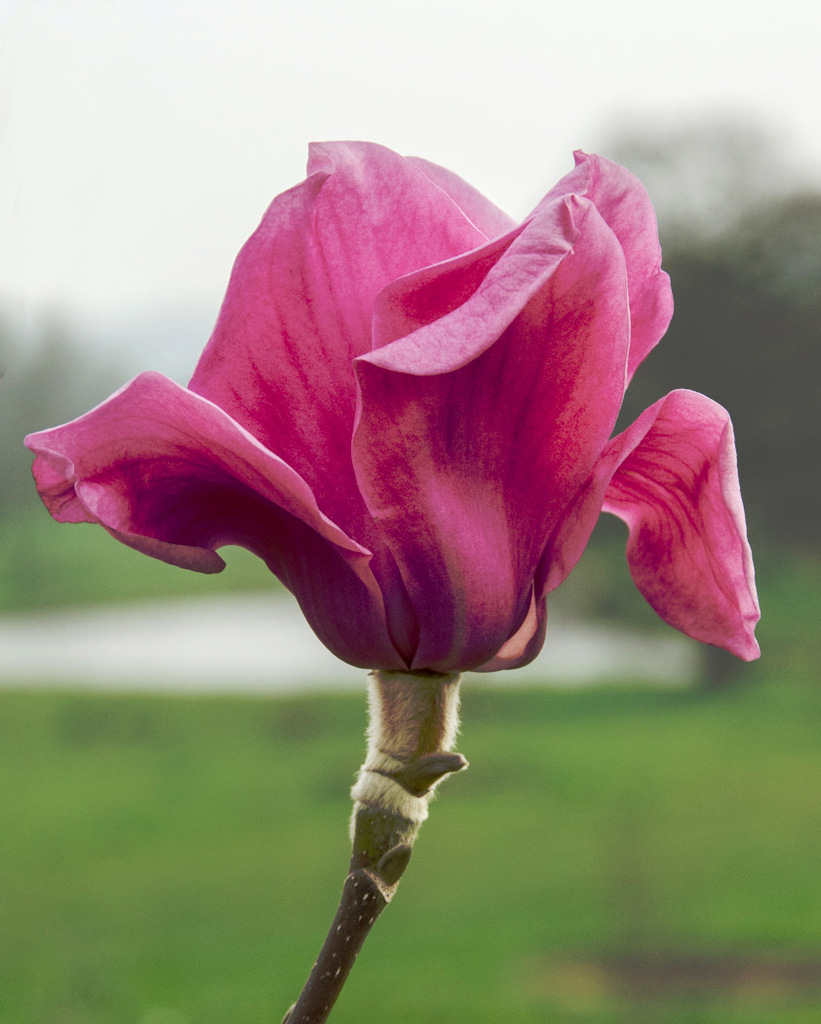
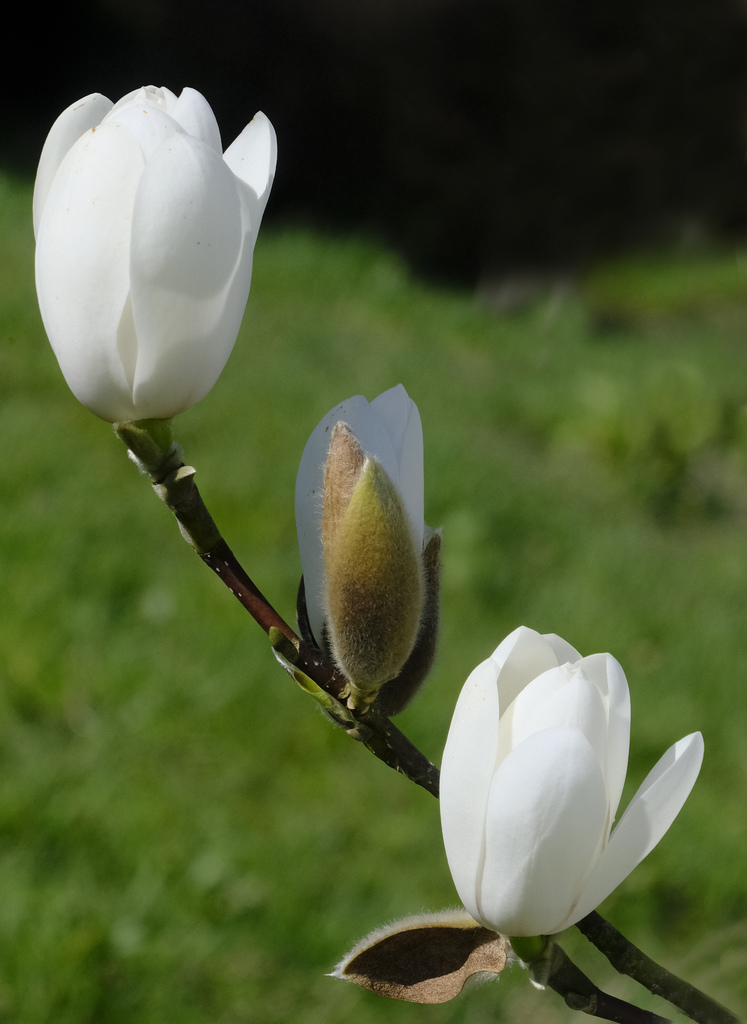
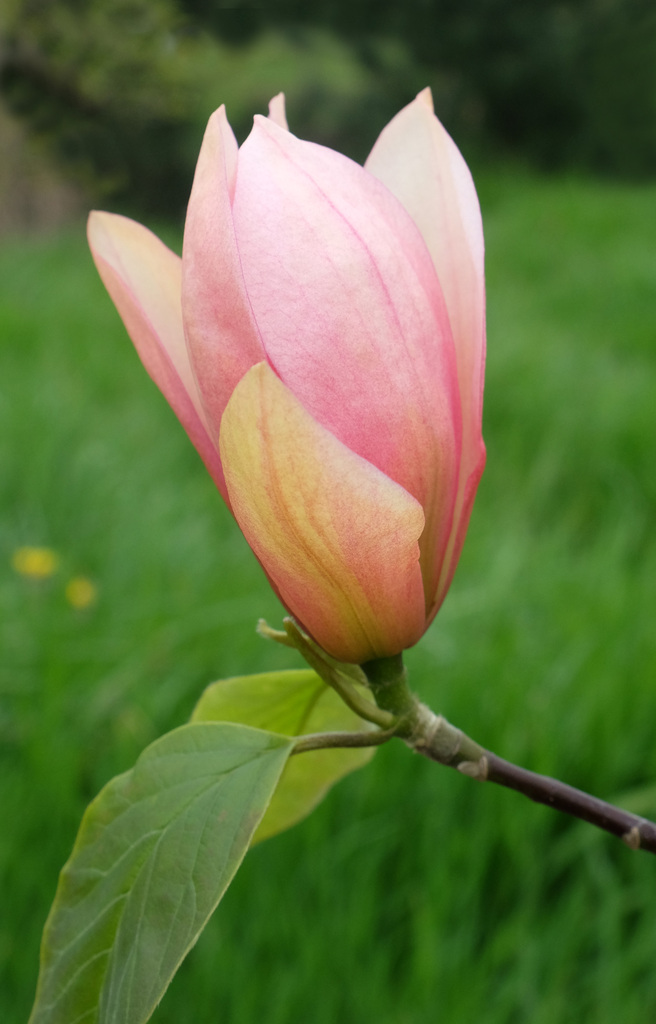
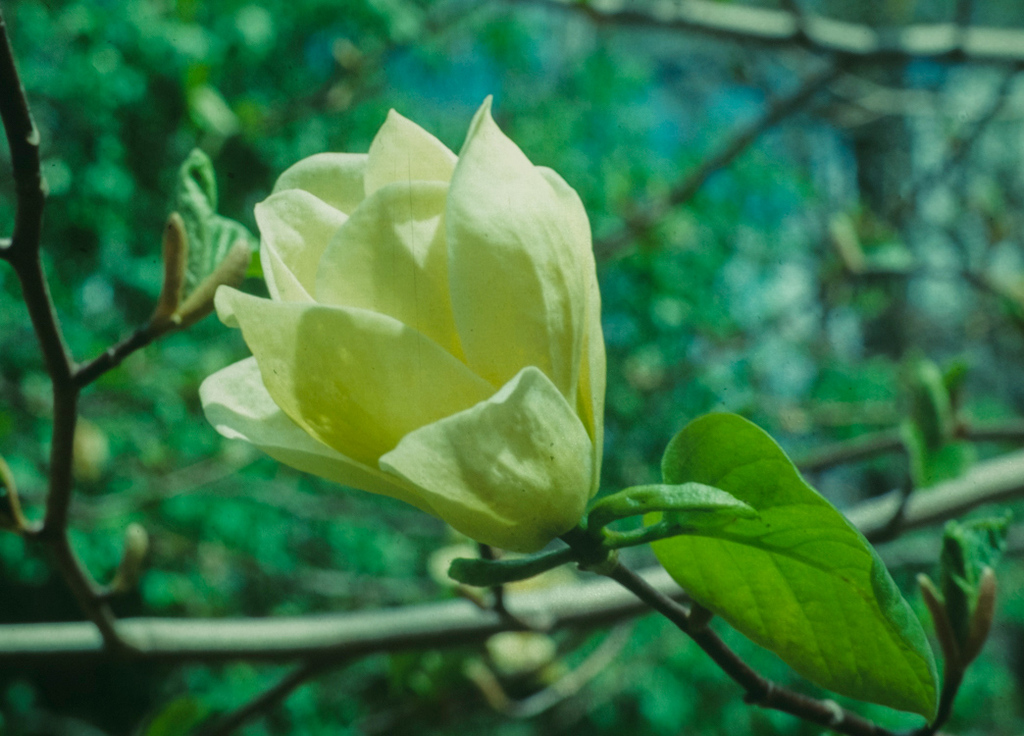
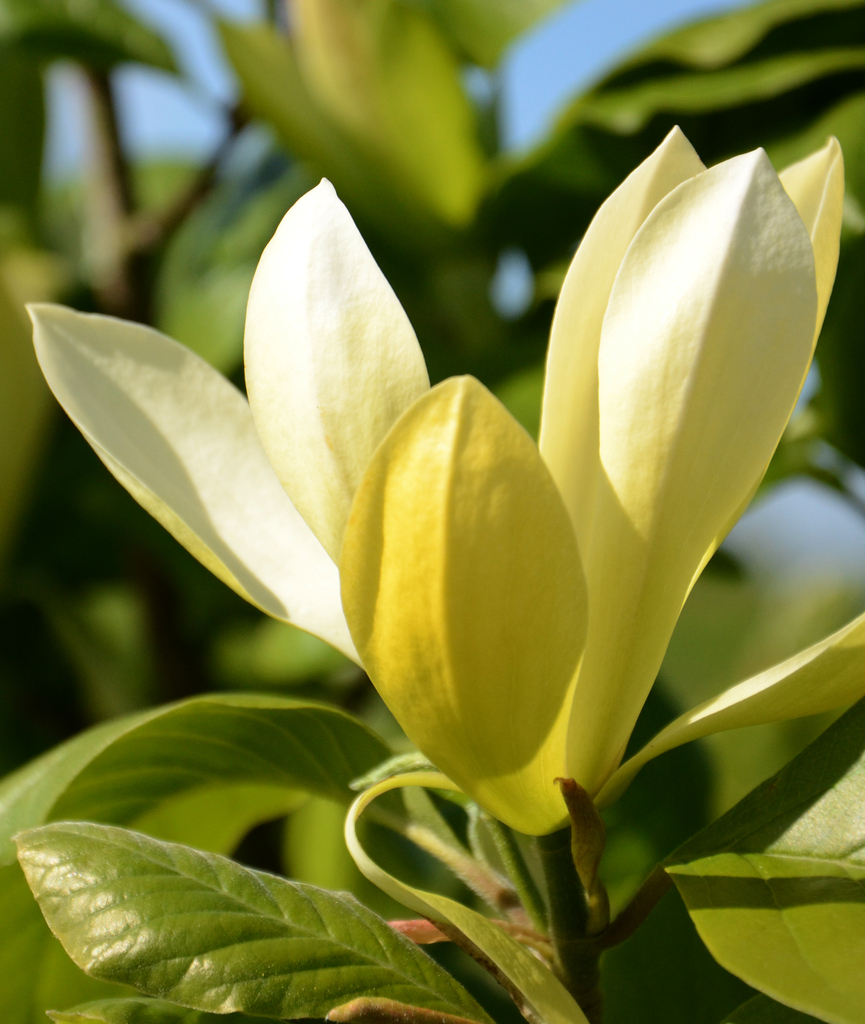
The yellow-flowered Acuminata magnolias are coming into their own and are now of a size to sustain interest later in the season. Originally bred in the Eastern United States, they were taken up by the Belgian collector Philippe Spoelberch who supplied us with varieties like Lois, named in honour of a friend, and our favourite for its early flowers. Unlike many of the yellows, they appear before the leaves and don’t get lost in the foliage. Carlos is a yellow variety with an upright habit which fits smaller spaces. All the Acuminata are tolerant of drought and relatively frost hardy, which has no doubt contributed to their rise in popularity.
Those in search of more definitive information may consult our regular visitor Jim Gardner’s book on magnolias, which draws on his time as curator at RHS Wisley and corrects some common misapprehensions like the reluctance to prune them. In fact they respond well to it, making them a better option for small gardens than might be supposed.
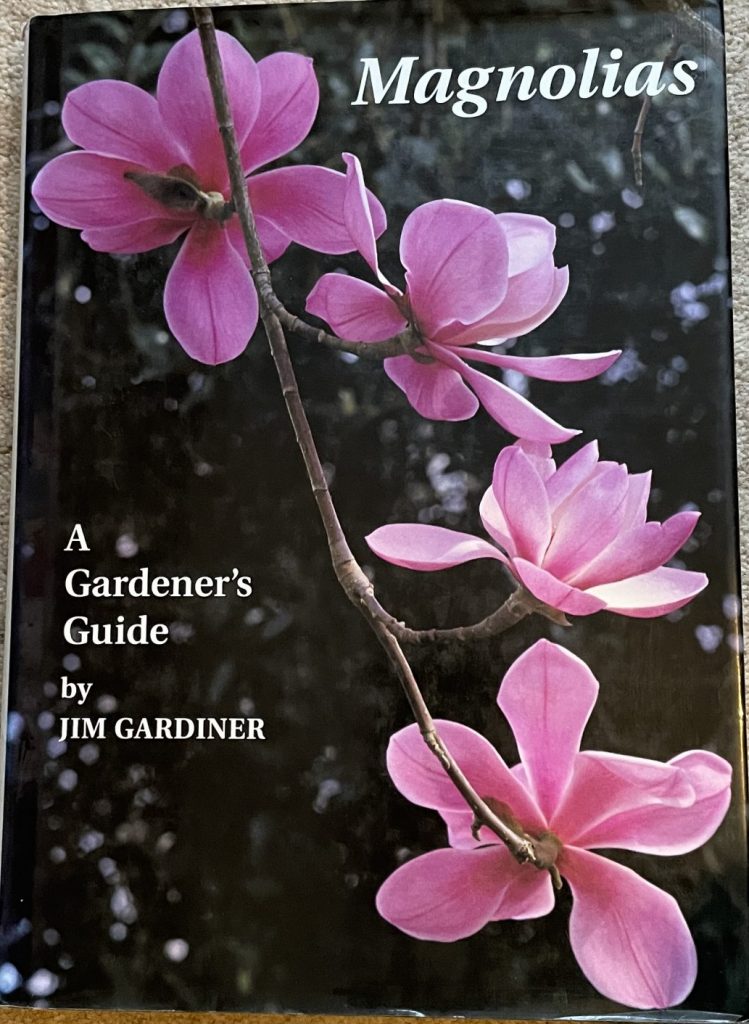
Our stock plants were cut back hard after flowering and put out good new growth, even over the dry summer. They are now supplying budwood for winter grafting by another friend of the arboretum, Barry Grain at Rosemeade Nurseries near Wrexham. We will see the result of his labours, which will be available for purchase online, over the next year or two. Jim’s book is out of print, but available second hand from A B Books.
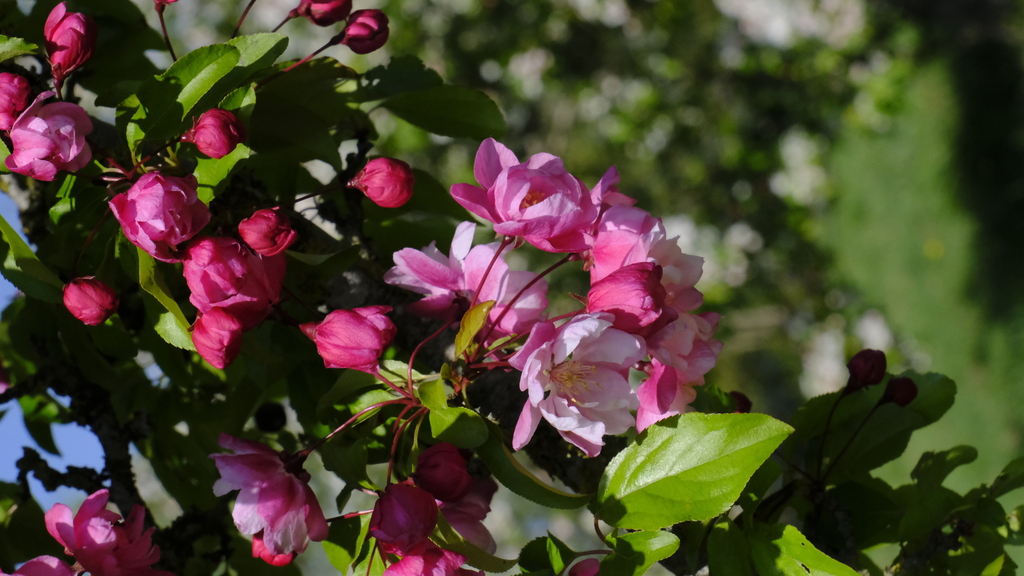
Early flowering magnolias do best on higher ground where there is frost drainage, and we have replaced losses in less favourable positions with forms of North American Crataegus. They are happy on heavy land and impervious to frost, becoming a feature as foliage plants with attractive blossom ranging from pale to dark pink, and, like Malus, fitting comfortably into the British landscape where hedgerows are full of the wild native form. The Tanasetifolia varieties have been especially successful, and readers may spot a theme: the American horticulture industry has been a source of excellent introductions in recent decades, which deserve to be more widely available.
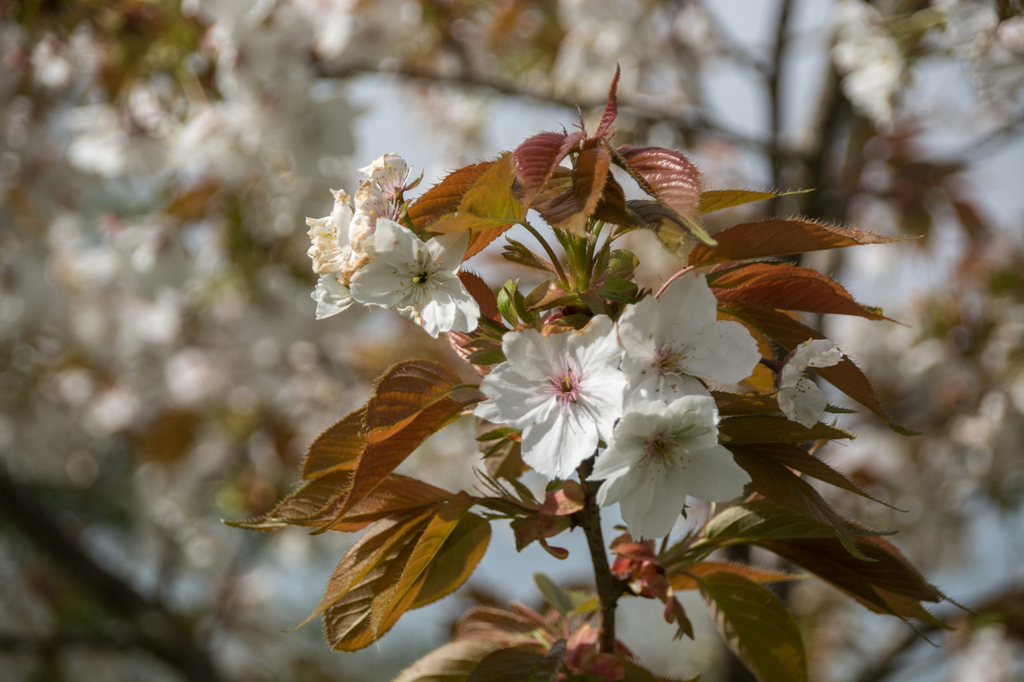
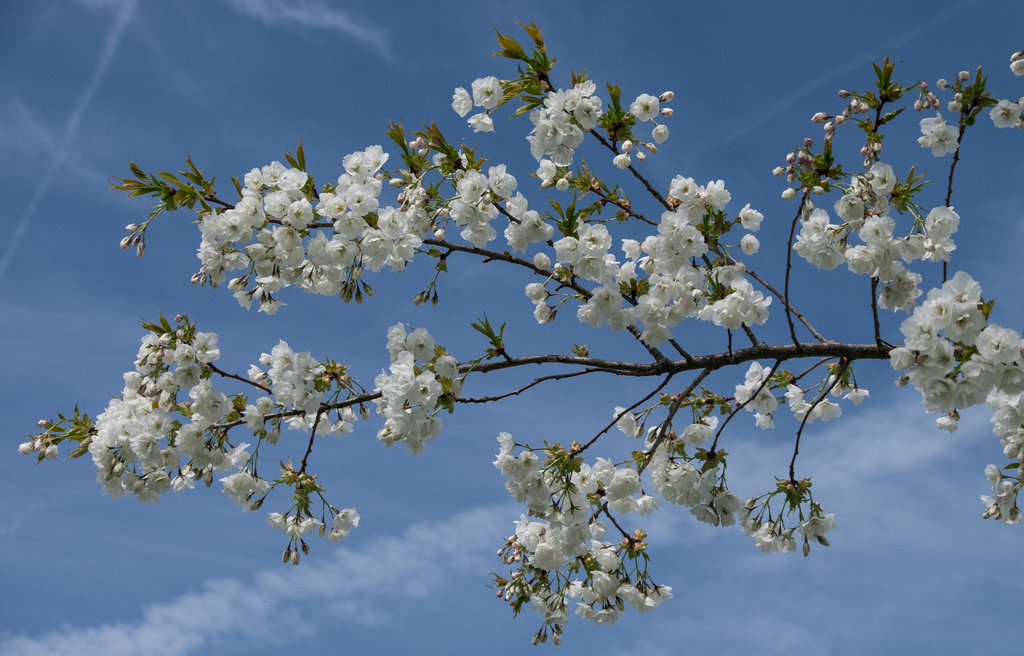
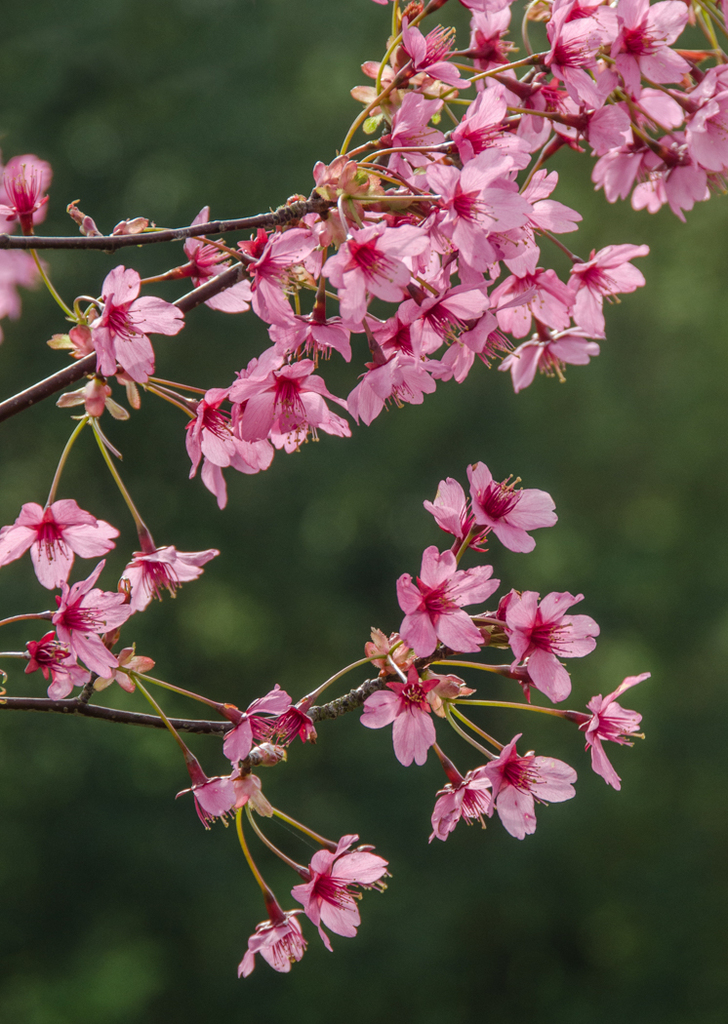
Cherries are surface rooting and do well on our clay. We have many varieties including some of the less common Japanese ones, of which the small singles are particularly elegant, flowering at the foot of the first magnolia hill. On the second hill the avenue of larger, single Tai Haku flowered well, as did the dependable Shirotae / Mount Fuji with its very large double flowers and spreading habit. The columnar form Collingwood Ingram shows that with cherries too, there are options where space is restricted. Leaf damage by insects was a problem in the spring, but we don’t spray. Cherries soon put out a second flush and we rely on our bluetit population to control pests.
The framework of the arboretum is mature native trees which often surprise us with how variable they are from one year to another. Some oaks still had leaves at the beginning of December, and the ash trees lived up to their weather forecasting reputation by coming into leaf after the oaks. We suffered our first signs of ash dieback last year and feared the worst when they were late to leaf, but they confounded us by making a full and vigorous recovery. Next year might be different, but we very much hope that this is a sign of natural adaptation.
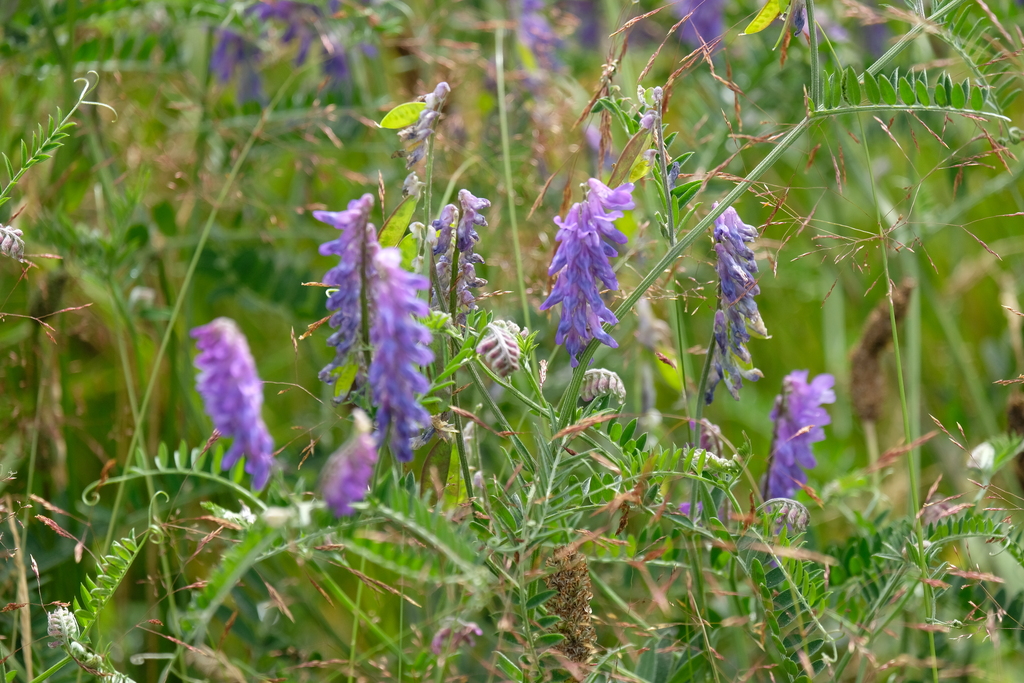
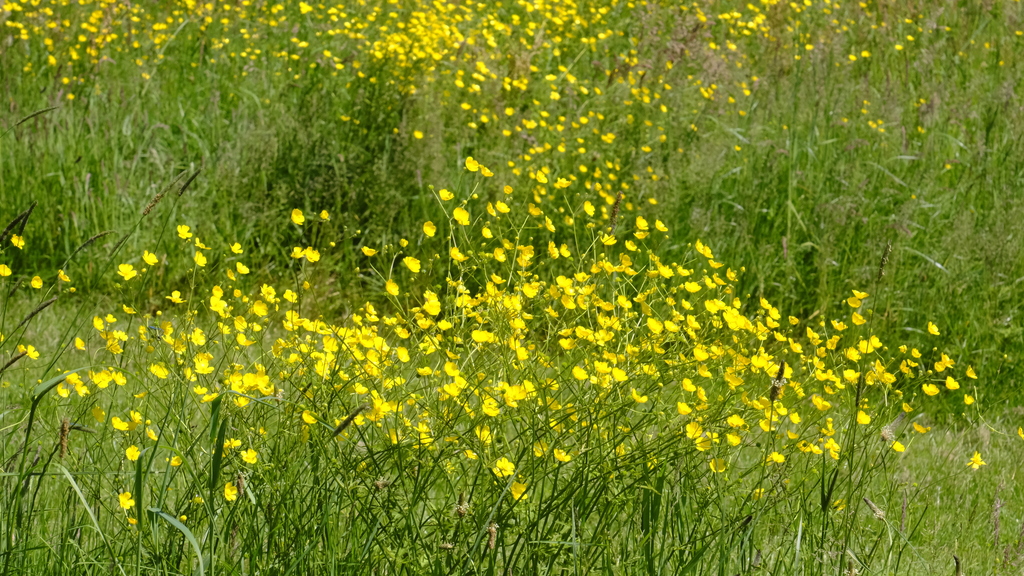
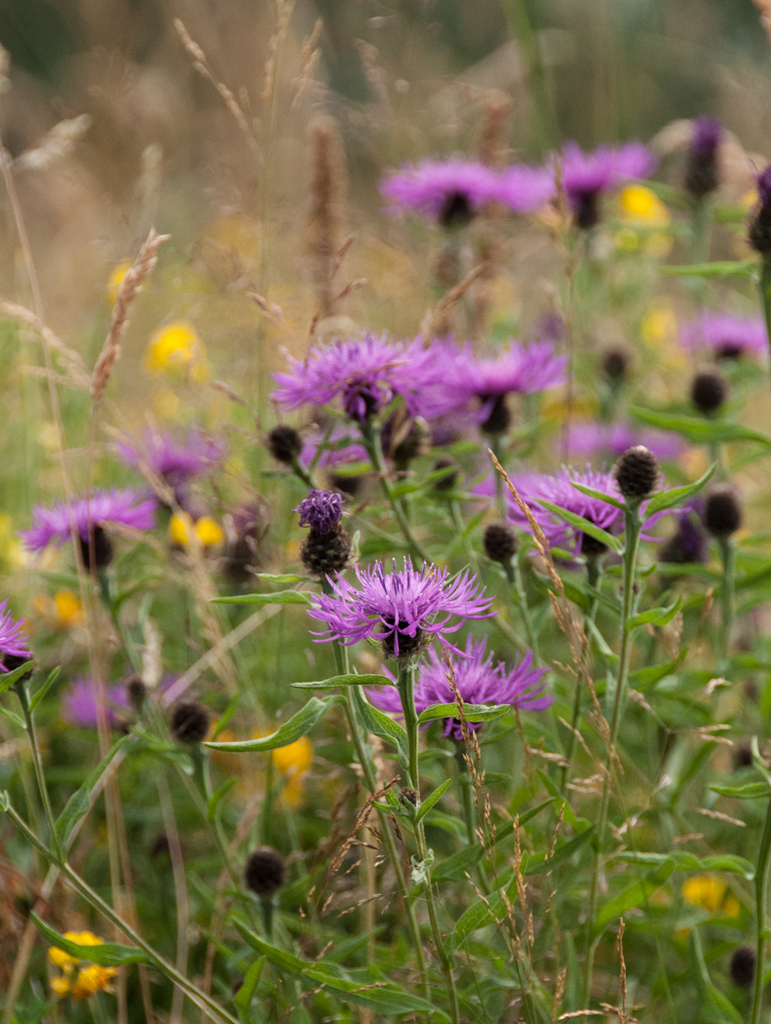
It wasn’t the best year for wildflowers and we have had to acknowledge that our efforts to sow native seed have had not had much lasting success. Ours is heavy, acid pasture which does not lend itself to a wide variety of native species. Vetches and wild geraniums do best, along with buttercups and knapweed. And of course brambles, which thrived as never before this year, and left us with plenty of work to subdue them over the winter.
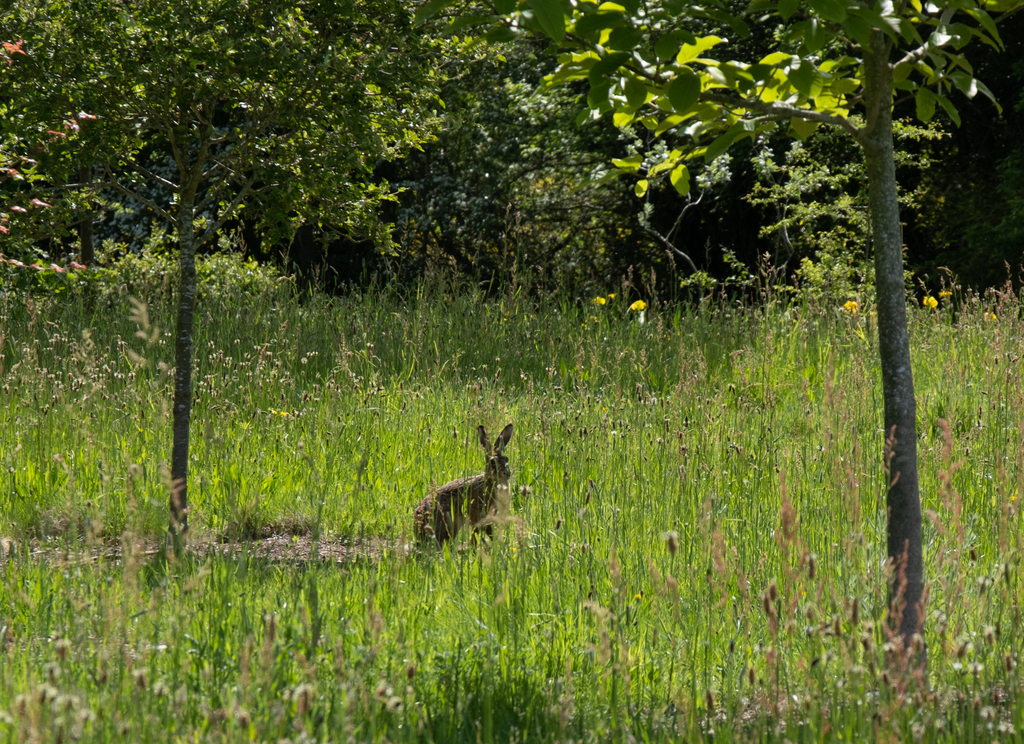
We mowed earlier than usual since the ground was firm and we took our chance to get machinery on it while we could. Exsiccatum est foenum et cecedit flos*. It doesn’t seem to have done any harm to the population of visiting birds though, which, as well as many a stray pheasant, includes migratory pigeons and waxwings, herons, owls, buzzards and sparrowhawks. Fittingly ravens also appeared with young this year, and, like the buzzards, can be heard calling to one another as they look for mice in the grass.
The bank under the house was conceived as a wildflower meadow, but in a change of plan we have recycled last year’s tulips and other potted bulbs there, and planted more daffodils leading down to the pond. The results will soon emerge.
[ *The grass withers and the flower fades. ]